Known position is earned.
Unhomed motion is refused.

xPNP measures what your machine needs to know, keeps the evidence, and places the board. You drive it from your browser.
For the Opulo LumenPnP v4
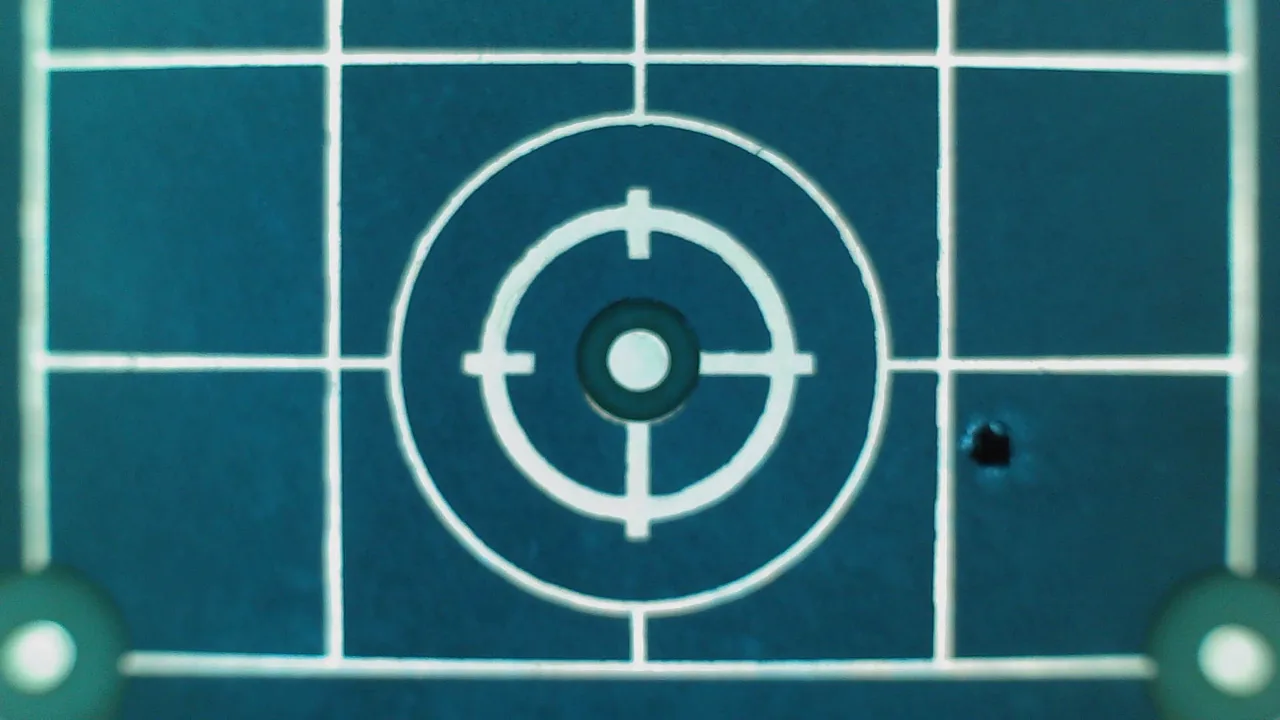
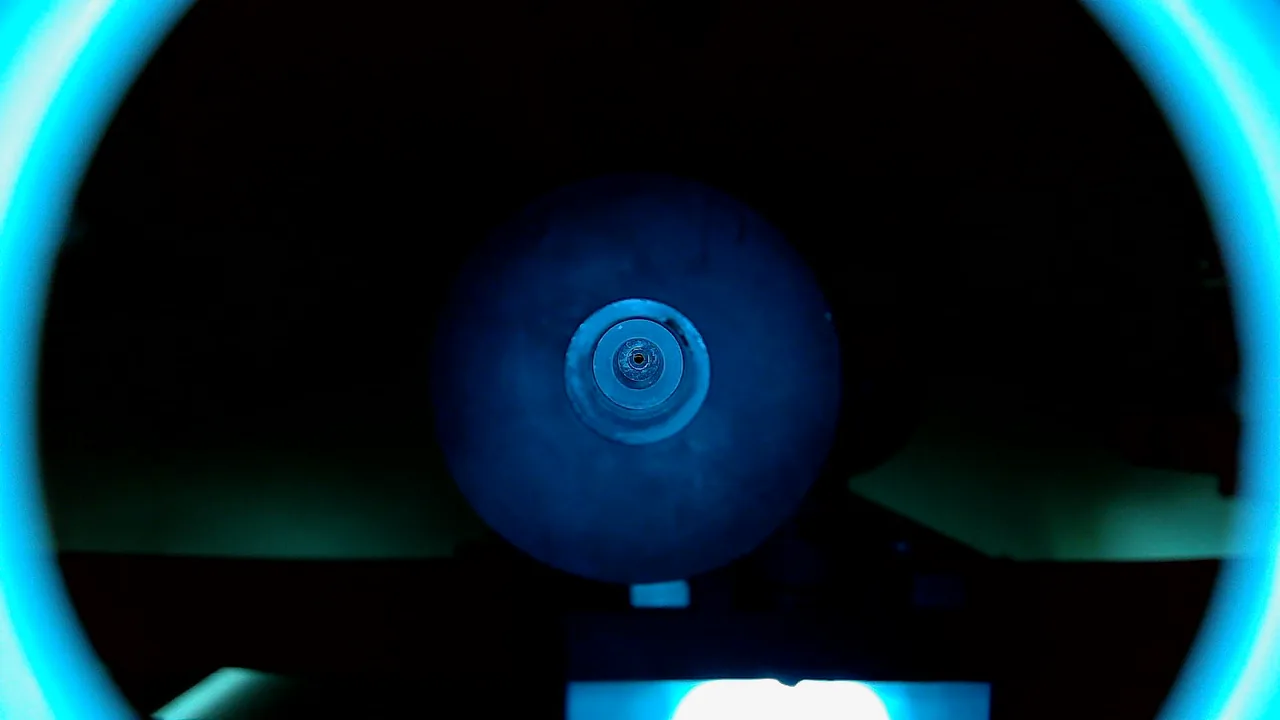
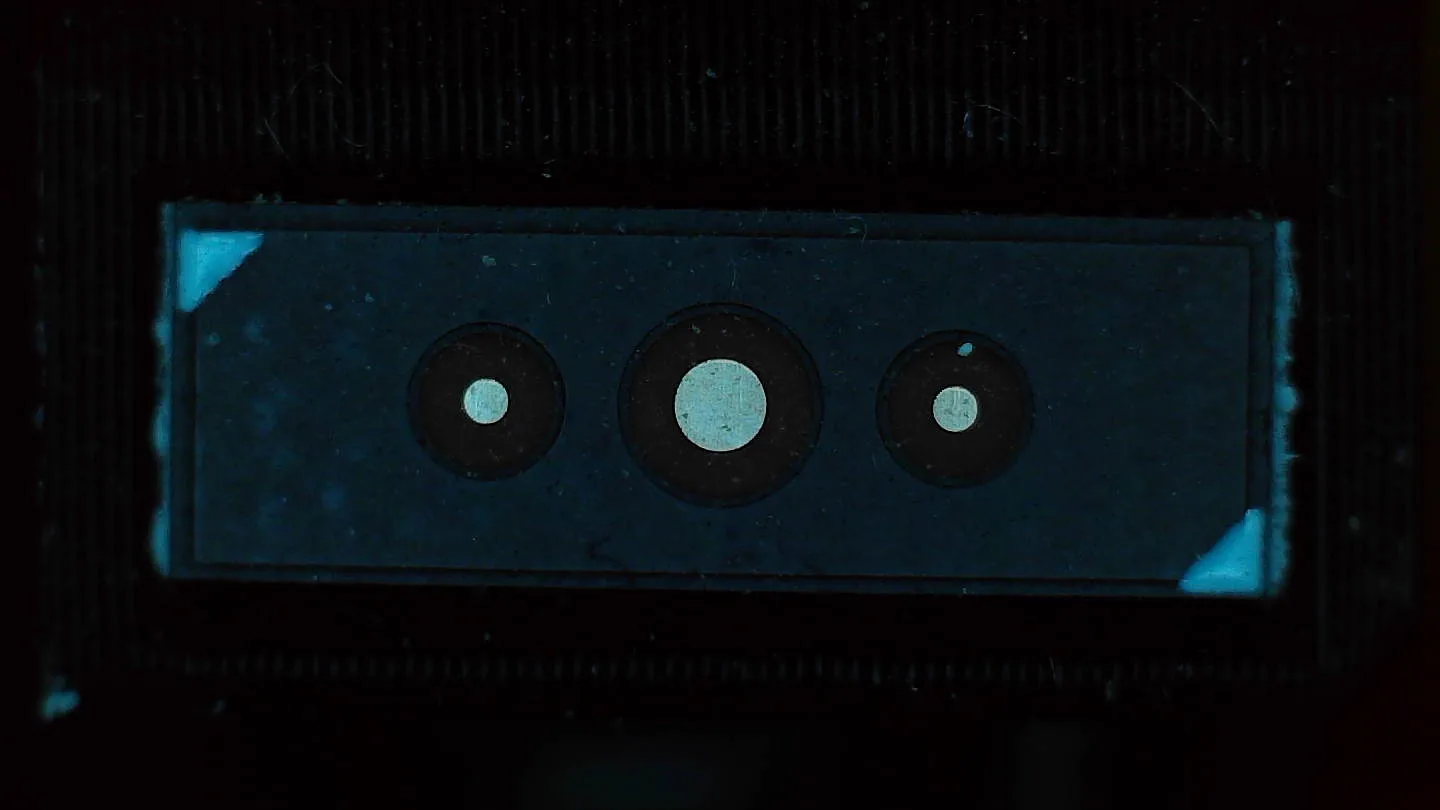
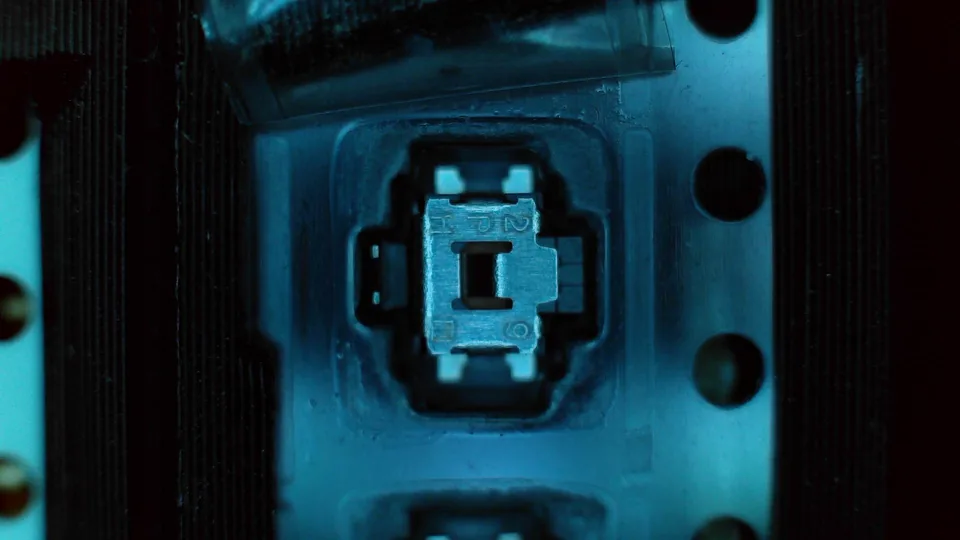
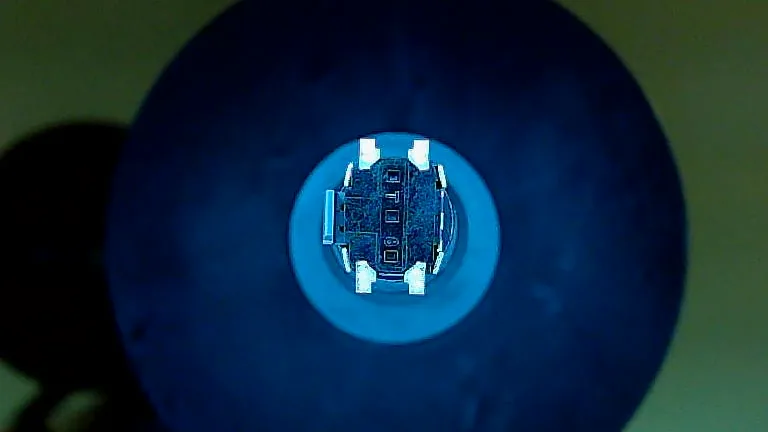
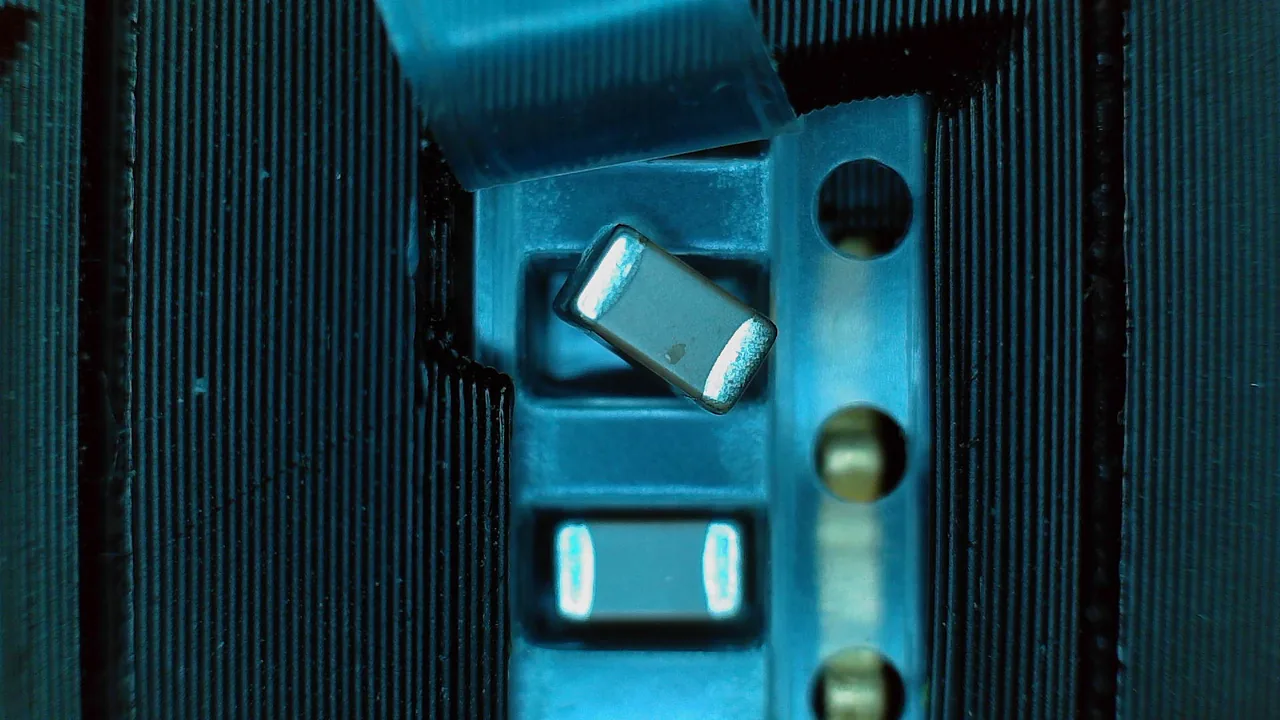
xPNP measures the setup values you used to tune by hand, and keeps the evidence.
The controller holds all the authority. Your browser holds none.
One Rust program on a small computer beside your LumenPnP. It drives the machine, reads both cameras, and logs every event.
Nothing to install in the browser. A dropped connection catches up by itself, and closing a tab never stops a job.
One screen holds the control lease. STOP works from all of them.
Each machine runs on its own, with no internet. Your browser connects straight to it, never through the console.
Your machine will dial out to a relay on Cloudflare. Messages will be encrypted end to end, so the relay cannot read them.
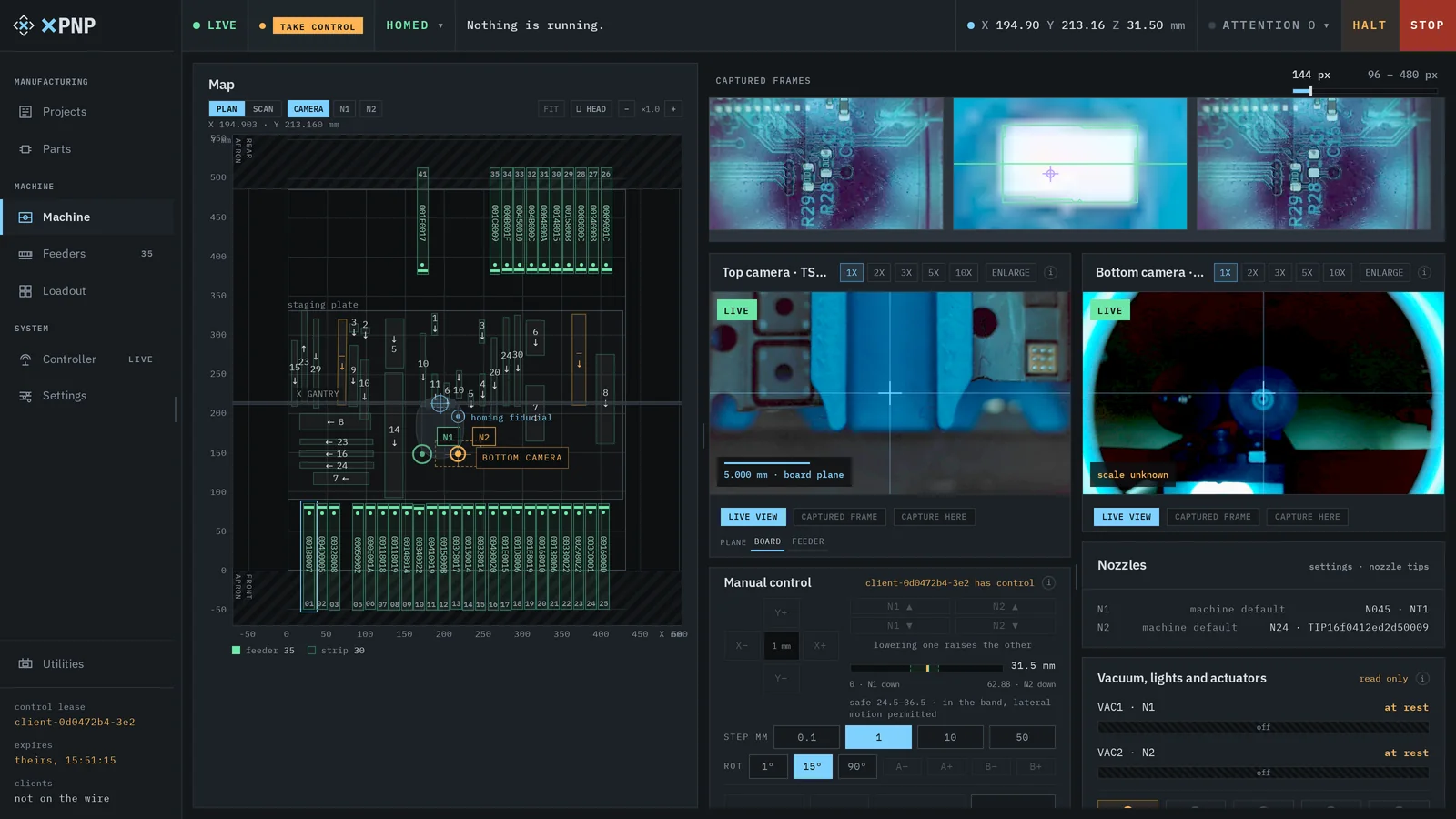
It homes, finds its homing fiducial, and measures both nozzles from below. Every value keeps its record.
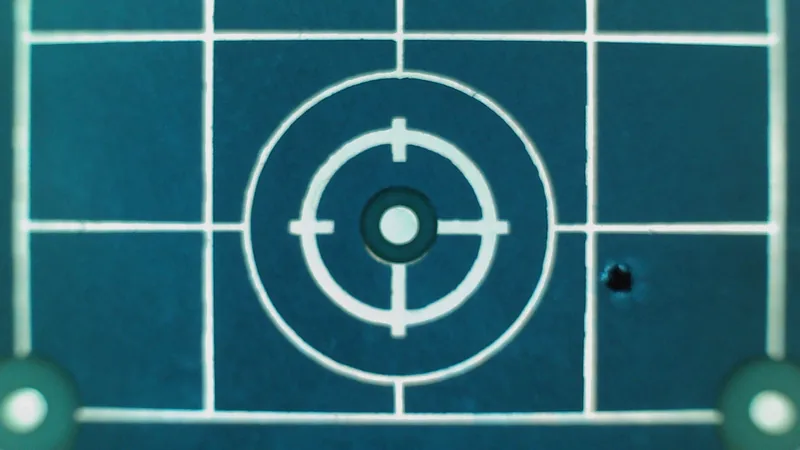
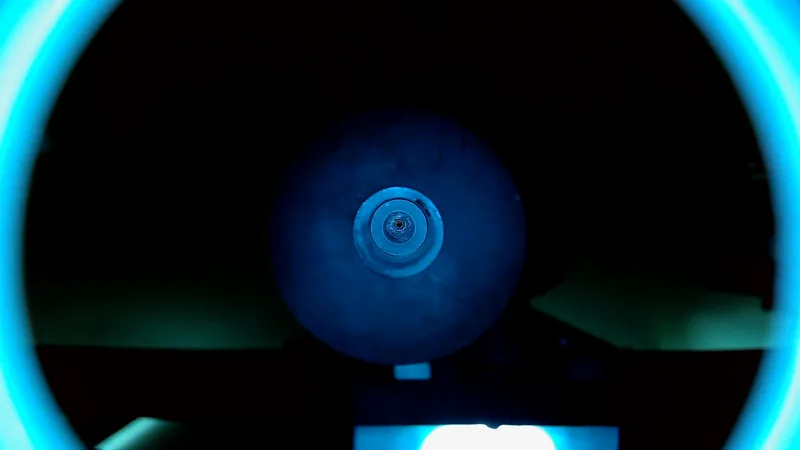 N1 · from below
xPNP reads the three fiducials on every Photon feeder, then sets the pick location from the tape itself. No jogging to find it.
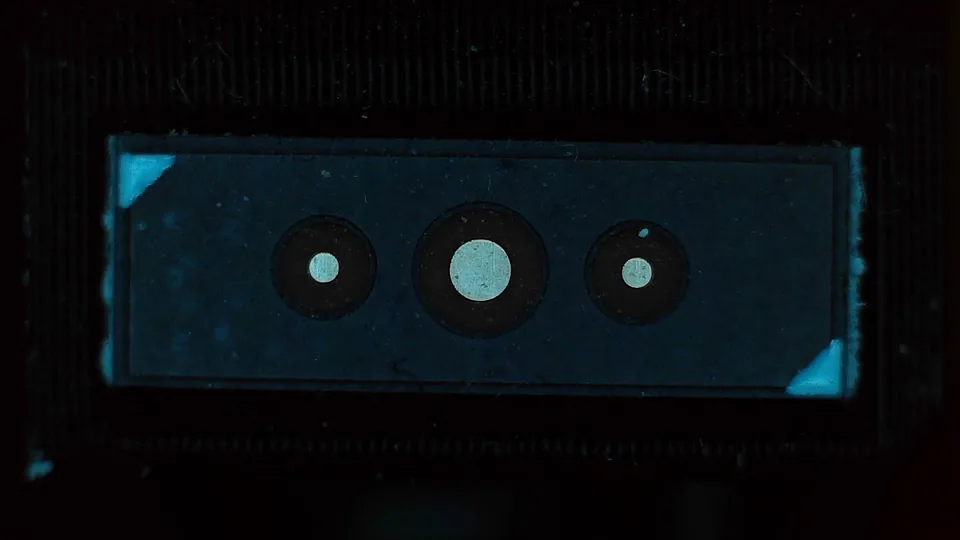
It reads the pocket pitch from the tape and keeps a map of every pocket. An audit proposes changes. You accept them.
The outline, placements, and board fiducials come from your files. Anything they do not say is shown as missing, never guessed.
Print QR labels for bins, parts, and feeders. Scan one to open what it names.
From the same board file: a board jig, a paste jig, and their base. Strip feeders too: pick a tape width, then print.
Strip feeder styles: Opulo, from Opulo's open-source strip-feeder sources, and OpMenlu, by ruudwes, building on ERIK3DP's Menlu.
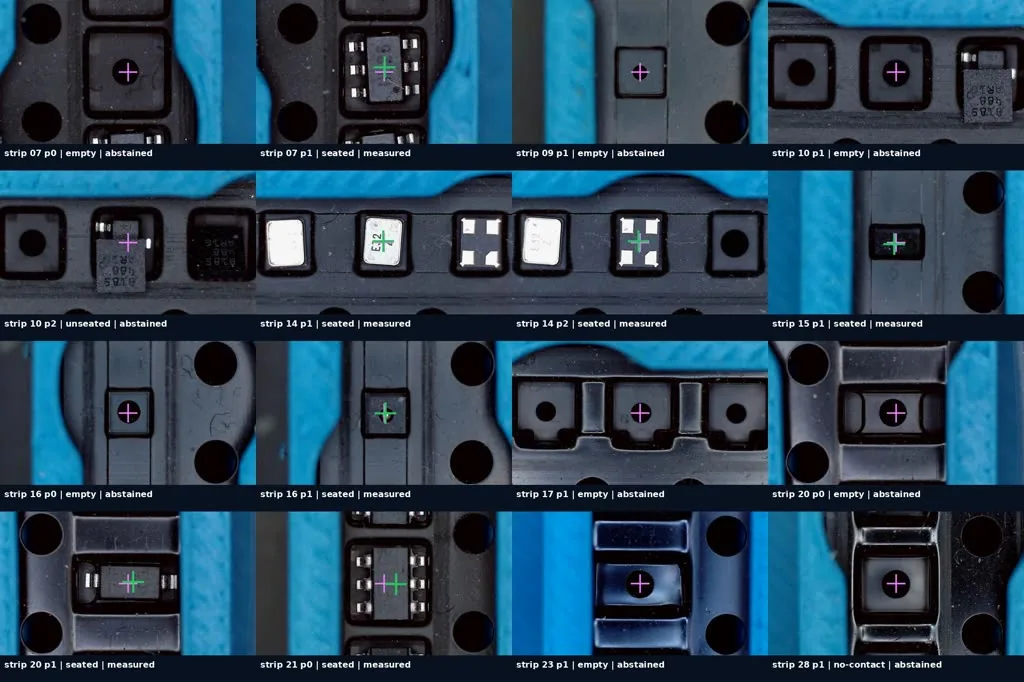
A dry run picks each part, measures it from below, and puts it back. When something looks wrong, it asks you. Then it places the board, measuring every part before it goes down.
C22 · slip · return not trusted · look at the pocket
Every decision uses a captured frame, kept with its camera, its settings, its position, and its time.
Unhomed motion is refused.
An “ok” from the machine is not a measurement.
It never invents a position or a success.
Decisions use captured frames, not live video.
Coordinates cannot silently mix.
A fault keeps every observation.
We believe the Opulo LumenPnP is the best pick-and-place machine. It is open source, with two nozzles, two cameras, and Photon feeders. xPNP is built for it, and only for it.
xPNP is an independent project, not affiliated with Opulo.
xPNP runs our LumenPnP from the KiCad project to every part placed. It is nearly complete, and we are polishing it now.
I'm Juan Villa. I've built software for more than 20 years, and I'm a principal engineer working on distributed systems at a large cloud company. I also have a background in hardware engineering, and I love designing hardware. xPNP is built to the standard I hold at work.
The private beta opens soon, for a small group of LumenPnP v4 owners.
No. xPNP is its own controller, written from scratch for the LumenPnP v4.
Not decided yet, and we'd rather say so than guess. The private beta is free. Some parts run on servers that cost money to operate. We'll ask the community for feedback, and we'll publish our decision before the beta ends.
Yes, as a tool, not fire and forget. Designs come first, as written specs that I review. AI coding tools write code to them, and I review the changes. Then come automated tests, runs on our machine, and rounds of polishing on real boards.
No. Optional helpers, such as parts lookup and the vision advisor, use a network service only when you turn them on.
The Opulo LumenPnP v4. We have not tested Opulo's v4.2 release yet.
Yes. It locates the board, then picks, measures, and places each part, and photographs every placement.